English




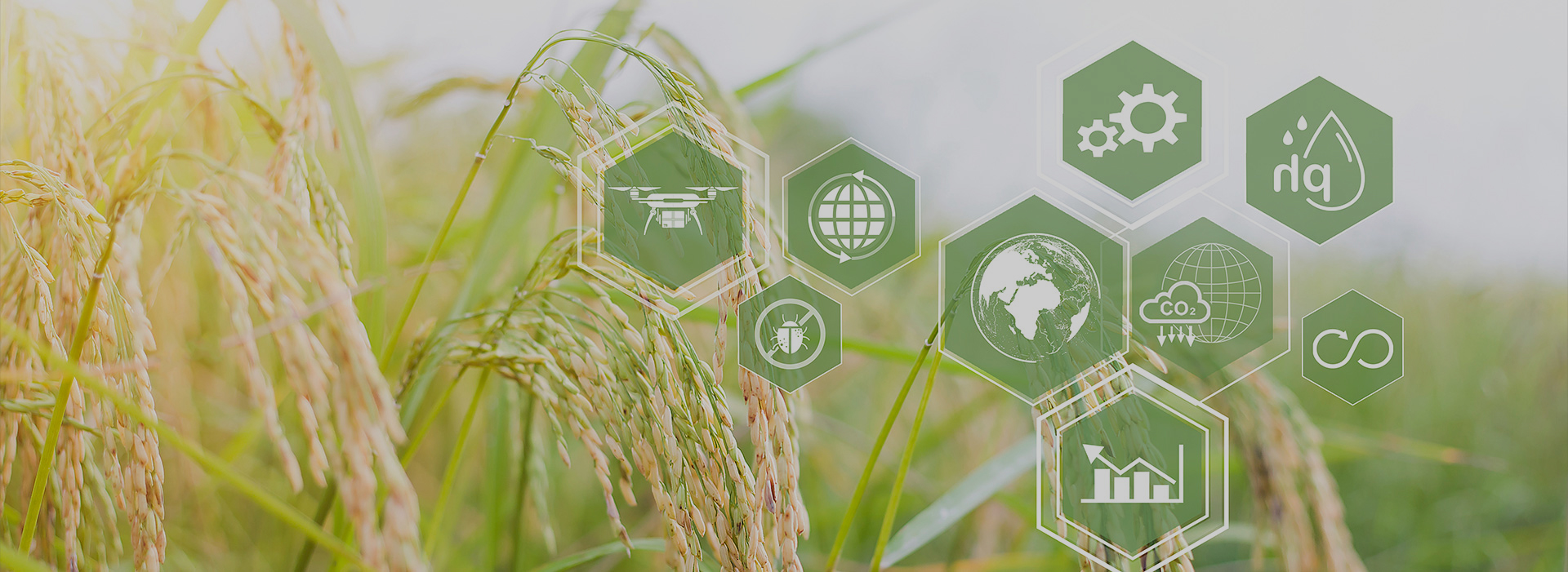

Good Agricultural Practices (GAP) stands for "Good Agricultural Practice," originating from the EUREPGAP concept proposed by the European Retail Association in 1997. It was renamed GLOBALGAP in 2007 and is an internationally recognized standard for primary agricultural production operations. In 2004, China's National Certification and Accreditation Administration launched ChinaGAP certification work, and in 2005, the GB/T 20014 series of national standards was released. Certification work was carried out based on CNCA--N-004 "Implementation Rules for Good Agricultural Practice Certification," forming a certification system aligned with international standards.
GAP certification centers on traceability, is based on HACCP and sustainable development, focuses on quality control throughout the entire agricultural product production process, pays attention to environmental protection, employee health and safety, and animal welfare, and builds a food safety management system from the field source. Its core elements cover five major areas: environment and site selection, input quality control, standardized production, quality traceability, and employee health training. It standardizes the entire process from planting, harvesting, packaging, to transportation, reducing chemical use and avoiding production pollution and operational hazards.
Certification covers fields such as field crops, fruits and vegetables, tea, livestock and poultry, aquatic products, and ornamental plants. Governments at all levels have also launched special reward and subsidy policies to support them. Certification can improve the standardization level of agricultural production, boost consumer confidence, help enterprises establish brand image, break through international trade barriers, and promote sustainable agricultural development, achieving a win-win for both economic and ecological benefits.


HIC华凯是经中国国家认证认可监督管理委员会(CNCA)批准成立的一家独立、公正及专业的第三方认证机构,已通过中国合格评定国家认可委员会(CNAS)、国际认可服务组织(IAS)双重权威认可,具备规范、合规的认证资质,确保认证结果具有国际公信力和市场认可度,助力客户顺利对接国内外市场。

拥有一支经验丰富的规范化、专业化的管理和审核团队,所有审核人员均经过严格筛选、系统培训及常态化考核,熟悉各类体系标准、行业法规及市场需求,能够提供严谨规范的审核服务,保障认证服务的专业性与针对性。

深耕行业多年,形成了成熟完善的运营体系,以高效便捷的服务流程为核心,精准把控审核时效,合理安排审核进度,在保证技术过程符合标准要求的同时,确保客户在第一时间获得满意的服务结果,帮助客户快速抢占市场先机;同时坚守质量底线,确保审核过程合法合规、结果客观精准。

服务网络辐射国内外,可为各类行业、不同规模的组织提供全方位认证服务,无论是国内企业参与政府采购、重大项目投标,还是跨境企业开拓海外市场、突破国际贸易壁垒,均可享受标准统一、专业连贯的定制化服务,打破地域局限与行业隔阂,为企业国内外业务发展保驾护航。

 25B North Tower, Baihui Building, 3019 Sungang East Road, Luohu District, Shenzhen, Guangdong, China

CopyRight ©深圳华凯检验认证有限公司粤ICP备17164032号  粤公网安备44030002007190号
Technical Support:Ebaixun - Web Development
 Home
Home